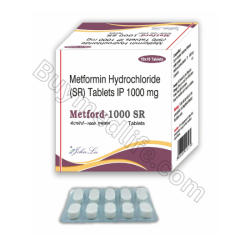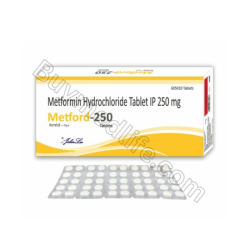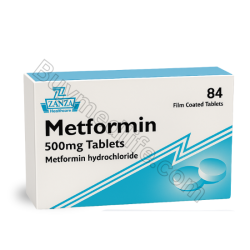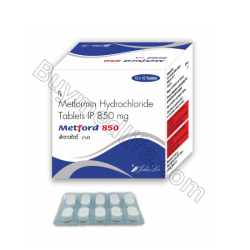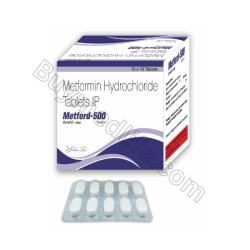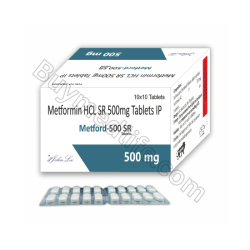
Metformin Sandoz 1000 mg
-550x550.png "Metformin Sandoz 1000 mg")
- Stock: In Stock
- Brand: Sandoz
- Model: Metformin Sandoz 1000 mg
- SKU: MTFS1000
- Active Ingredient: Metformin
- Treatment: Type 2 diabete
- Alcohol: Don't Drink
Available Options
Metformin Sandoz is formulated to regulate blood glucose levels in individuals diagnosed with diabetes mellitus. It is primarily prescribed for managing Type 2 diabetes when dietary control and physical activity alone fail to maintain adequate glucose balance. In certain cases, it may also complement insulin therapy in Type 1 diabetes, when insulin by itself is insufficient.
This medicine can be used independently or in conjunction with other antidiabetic agents. Its active component is metformin hydrochloride, a compound classified among oral hypoglycaemic agents.
Metformin enhances the body’s sensitivity to insulin and facilitates improved utilization of glucose by the tissues, thereby reducing elevated blood sugar levels.
Diabetes mellitus occurs when the body cannot properly regulate blood glucose. People with Type 2 diabetes either produce inadequate insulin or their bodies resist its effects, leading to glucose accumulation in the bloodstream. Persistently high blood sugar can result in serious complications such as kidney impairment, loss of vision, and nerve or circulatory damage.
Recognizing Hypoglycaemia
Low blood sugar often develops abruptly.
Early warning signs may include:
Trembling or weakness
Excessive sweating
Dizziness, headache, or poor concentration
Irritability, tearfulness, or sudden emotional distress
Hunger
Tingling around the mouth or tongue
If untreated, these symptoms may escalate to:
Loss of coordination
Slurred speech
Confusion
Seizures or unconsciousness
Recognizing Hyperglycaemia
High blood sugar tends to develop gradually. Symptoms may include:
Fatigue or sluggishness
Headache
Intense thirst
Increased urination
Blurred vision
Chronic hyperglycaemia can damage the heart, kidneys, eyes, and circulation, potentially leading to life-threatening conditions.
Since diabetes is closely linked with cardiovascular disease, maintaining optimal glucose levels is essential. Blood sugar control can be achieved through balanced nutrition, exercise, oral medications, and insulin.
When You Must Not Take Metformin Sandoz
Do not use this medicine if you are allergic to:
Metformin hydrochloride or any ingredient listed in the product information
Other medicines of the biguanide class
Allergic reactions may include:
Shortness of breath or wheezing
Swelling of the face, lips, or throat
Skin rash, itching, or hives
Avoid taking this medication if you currently have or have experienced:
Type 1 diabetes controlled solely by insulin
Type 2 diabetes well-managed by diet alone
Diabetic ketoacidosis (a dangerous buildup of ketones, characterized by fruity-smelling breath, confusion, or rapid breathing)
Diabetic coma or pre-coma
Severe kidney or liver disease
Dehydration, significant blood loss, or shock
Uncontrolled high blood pressure
Gangrene or poor circulation
Serious respiratory problems or infections
Excessive alcohol consumption or alcohol dependence
Recent heart attack or heart failure
Fever or serious illness
Blood clots in the lungs (causing chest pain and shortness of breath)
Pancreatitis (severe abdominal pain, often with nausea or vomiting)
Do not take this medicine if you are breastfeeding. Your doctor may suggest alternative treatment options.
Additionally, discontinue Metformin Sandoz before major surgery or diagnostic procedures involving iodinated contrast dyes. Follow your doctor’s instructions regarding when to stop and restart the medication.
Do not use the medicine past its expiry date or if the packaging is damaged. If in doubt, consult your pharmacist.
How to Take Metformin Sandoz
Follow your doctor’s specific instructions carefully. The usual starting dose is 500 mg once or twice daily, taken with breakfast and the evening meal. Your physician may adjust your dosage depending on your blood glucose levels. The maximum recommended dose is 1000 mg three times daily.
Elderly patients often require smaller doses.
Take tablets as a whole with one full glass of water. Do not chew them. In case it must be broken, a score line on the tablet will divide it.
Take Metformin Sandoz during or immediately after meals, at roughly the same times each day. This routine minimizes stomach discomfort and helps maintain consistent blood levels.
Continue taking it for as long as your doctor advises. Although it controls diabetes, it does not cure it.
If you miss a dose, take it as soon as you remember, unless it’s nearly time for your next dose. Do not double your dose.
If you suspect an overdose, contact a doctor, hospital, or the Poisons Information Centre (13 11 26) immediately. Symptoms may include fatigue, vomiting, abdominal pain, rapid breathing, or muscle aches — possible signs of lactic acidosis, a rare but critical condition.
While You Are Taking Metformin Sandoz
Things You Must Do
Inform any healthcare professional treating you that you are taking Metformin Sandoz.
Notify your doctor immediately if you become pregnant.
Attend all scheduled medical appointments. Your doctor may monitor your kidney, liver, heart, and vitamin B12 levels.
Long-term use may lower vitamin B12 and cause anaemia; routine testing is recommended.
Learn to recognize the warning signs of low and high blood sugar, and ensure those around you know how to respond.
If hypoglycaemia occurs, quickly consume:
5–7 jelly beans
3 teaspoons of sugar or honey
Half a can of regular soft drink
2–3 glucose tablets
Follow up with a carbohydrate snack unless your next meal is imminent.
If you experience symptoms of hyperglycaemia — thirst, frequent urination, dry mouth — contact your doctor promptly.
Things to Be Careful Of
Until you know how Metformin affects you, avoid driving or operating heavy machinery.
Low blood sugar can slow reaction times and impair judgment.
If you become ill with flu, fever, or infection, maintain your regular diet and hydration. Consult your diabetes educator about sick-day meal planning.
When travelling:
Carry identification indicating you have diabetes
Keep sugar or glucose tablets with you
Pack snacks in case of delays
Bring enough Metformin Sandoz for your trip
Possible Side Effects
Not all side effects require medical attention. Common effects include:
Nausea, vomiting, or mild stomach pain
Diarrhoea
Loss of appetite
Metallic taste
Skin rash or itching
These could be early symptoms of lactic acidosis, a rare but potentially fatal condition requiring urgent care.
Other unlisted effects may occur; report any unusual reactions to your doctor or pharmacist.
Where to Buy Metformin Sandoz 1000 mg Tablets in Australia
The most reliable destination is Buymedlife.com, a trusted platform offering Metformin Sandoz 1000 mg Tablets at competitive prices. All medicines are authentic, accessible, and delivered at affordable rates. Customers also enjoy a 10% discount on every purchase.