
Parasitic Infections: Causes, Symptoms & Prevention
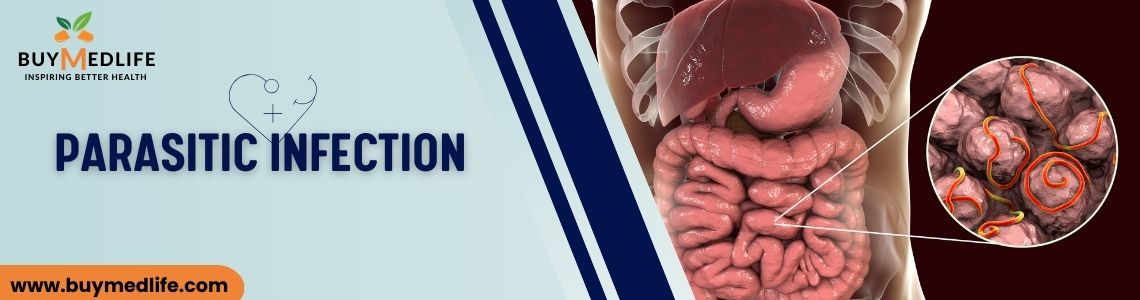
Imagine that you are enjoying stream water during a hiking trip, but then you get nauseated several days afterward. It is the same with children who play in the dirt and do not wash their hands before dinner. The commonplace instances may result in parasitic infection, and health experts say over a billion individuals globally contract them annually.
A parasite is simply an animal that either lives on or in another living organism—its host—and takes its nutrients at its host's inconvenience. Worms, single-cell mini-monsters, these little visitors are flourishing in the low-hygiene and close-proximity settings caused by the high number of people and animals in one place.
Here, we are going to take a tour of what parasitic infections are, how they are transmitted, what signs to look out for, and how to be safe. It is important to know this stuff since many cases fall under the carpet and may turn into many health issues in the future.
What is Parasitic Infection?
Worms come out in your body and get you into trouble. Infectious parasites are more complex than either bacteria, which are simply cells that multiply rapidly, or viruses, which take hold of your cells to make copies of themselves. They frequently require a host to complete their life cycle and would be hard to eliminate without specific treatments directed at them.
These infections can hit your gut, blood, or skin. They drain your energy and nutrients over time. Think of them as uninvited guests who eat your food and mess up your house.
Types of Parasites
The Types of Parasitic Infection come in three big groups that affect humans. Each type has unique ways to sneak in and stick around.
Protozoa: These are tiny, single-celled bugs like Giardia or Plasmodium. You might pick them up from dirty water. They move fast inside you and can cause quick stomach upset.
Helminths (Worms): Bigger than protozoa, these are worms with many cells. Flatworms include tapeworms from undercooked meat. Roundworms cover pinworms from shared bedding or hookworms from barefoot walks in soil.
Ectoparasites: These live outside your body, on the skin. Lice cling to hair, mites burrow into skin for scabies, and fleas jump from pets. They bite and irritate but rarely go deep inside.
Each class shows how diverse parasites are. From microscopic to visible worms, they all rely on you for survival.
The Host-Parasite Relationship Dynamics
We are the ones that the parasites are riding on to keep living and get their own through reproduction. In actual parasitism, you have the pain, and they have the booty. In some case,s it is a simple itch of the flea, and in other cases it is savage, sucking your blood or stuffing your organs up. Any harm, large or small, wounds you and gives the parasite the victory.
The extent of the damage that they cause is the measure of pathogenicity. There are those who will kill you in a short span and others will take their time whacking you. They become crafty and avoid your defense system. Indicatively, a worm can be lying in your bowel over a number of years. Such a bond is not easily broken, however, with a healthy lifestyle, it can be broken.
How Parasites Enter the Body
Parasites are not going to run on their own. They have back ways of reaching you, and having got those tricks, you can close them down before they have the slightest opportunity.
Infection comes as a result of day-to-day lapses, such as handling a dirty object. And when you go to the hot, humid areas, you are increasing those chances, as well.
Fecal–oral contamination occurs when parasite eggs or cysts from human or animal waste enter the body through food or water, especially in areas with poor sanitation.
Vector-borne transmission happens when insects like mosquitoes or ticks transfer parasites while biting; malaria is a common example.
Direct contact or skin penetration allows parasites to spread through touch or by entering the skin, such as pinworms and hookworms.
Preventive measures include proper handwashing, safe food and water practices
Recognizing the Symptoms
Parasitic infections are difficult to identify because symptoms often resemble flu or common stomach illnesses.
Mild symptoms are frequently ignored and worsen over time, so medical help is needed if they last for weeks.
Gastrointestinal Symptoms:
Chronic diarrhea is common, sometimes with greasy stools due to poor nutrient absorption.
Abdominal pain and cramps often occur after meals.
Nausea, bloating, and discomfort are frequent.
Tapeworms may cause constant hunger despite regular eating.
Systemic (Whole-Body) Symptoms:
Unexplained weight loss due to loss of nutrients.
Persistent fatigue and weakness.
Occasional fever as the body fights infection.
Anemia may cause pale skin and dizziness.
In children, long-term infection can slow growth.
Diagnosis:
Stool tests, blood tests, and imaging help doctors confirm infection accurately.
Prevention and Treatment
Prevention is the best way to protect against parasitic infections and starts with good personal habits.
Washing hands with soap for at least 20 seconds after using the toilet or handling animals helps prevent fecal–oral transmission.
Food safety is important: cook meat thoroughly, wash or peel fruits and vegetables, and drink clean or boiled water, especially while traveling.
Keeping nails short and teaching children proper hygiene reduces the spread of parasite eggs.
Environmental and Public Health Measures:
Proper waste disposal and clean surroundings reduce insect breeding.
Mosquito control, clean water systems, and school deworming programs help lower community infection rates.
Treatment:
Doctors prescribe antiprotozoal drugs for single-celled parasites and anthelmintic drugs for worms.
Treatment usually lasts a few days to weeks, followed by tests to confirm recovery.
Medical supervision, rest, and good nutrition are essential for full recovery.
Conclusion
The parasites could creep up on you via contaminated water, bugs, or contaminated soil and once not taken care of they may go down your guts, result in you being exhausted, or even put to sleep with anemia. Children and street people are particularly vulnerable. Fortunately, good hygiene will help to avoid most of these bugs: wash hands frequently, consume foods that have been cooked completely, drink potable water, and avoid the bugs. Early detection of the symptoms and rushing to the doctor can prevent difficult complications and make you stay in good mood in general.
37 Comment(s)
Ahaa, its fastidious discussion regarding this post here at this blog, I have read all that, so at this time me also commenting at this place.
Hi there! Someone in my Myspace group shared this website with us so I came to look it over. I'm definitely enjoying the information. I'm bookmarking and will be tweeting this to my followers! Wonderful blog and great design.
I like what you guys are up too. Such clever work and exposure! Keep up the awesome works guys I’ve included you guys to my blogroll.
Gyft enables consumers store their gift cards, helping to make monitoring leftover balances easier and should reduce the chances of making leftover loans go abandoned.
These are in fact fantastic ideas in on the topic of blogging. You have touched some nice points here. Any way keep up wrinting.
I will immediately clutch your rss feed as I can't find your email subscription hyperlink or newsletter service. Do you have any? Please let me recognize so that I may subscribe. Thanks.
I enjoy what you guys tend to be up too. This kind of clever work and exposure! Keep up the superb works guys I've incorporated you guys to our blogroll.
Way cool! Some very valid points! I appreciate you writing this write-up plus the rest of the site is also very good.
Ahaa, its pleasant conversation about this article here at this webpage, I have read all that, so now me also commenting here.
I need to to thank you for this good read!! I certainly loved every bit of it. I have you saved as a favorite to look at new stuff you
I'll right away grab your rss feed as I can't to find your e-mail subscription hyperlink or e-newsletter service. Do you've any? Please allow me know in order that I may just subscribe. Thanks.
I visited several web sites except the audio feature for audio songs present at this web site is really excellent.
I simply couldn't leave your site prior to suggesting that I extremely loved the usual information an individual supply on your guests? Is gonna be back steadily in order to check out new posts
Nice read, I just passed this onto a friend who was doing a little research on that. And he just bought me lunch because I found it for him smile Therefore let me rephrase that: Thanks for lunch!
You made some really good points there. I looked on the net for more information about the issue and found most individuals will go along with your views on this web site.
I visited many blogs but the audio feature for audio songs current at this site is actually excellent.
You've made some decent points there. I checked on the net for additional information about the issue and found most people will go along with your views on this site.
I'll right away grab your rss feed as I can't to find your e-mail subscription hyperlink or newsletter service. Do you have any? Kindly permit me realize so that I could subscribe. Thanks.
I’ll immediately take hold of your rss feed as I can’t in finding your e-mail subscription hyperlink or newsletter service. Do you’ve any? Please allow me recognise so that I could subscribe. Thanks.
Ahaa, its nice discussion regarding this paragraph at this place at this website, I have read all that, so at this time me also commenting here.
I simply couldn't depart your web site before suggesting that I actually loved the usual information an individual supply on your guests? Is going to be again incessantly in order to investigate cross-check new posts
Heya i’m for the first time here. I came across this board and I find It truly useful & it helped me out much. I hope to give something back and aid others like you helped me.
Hello. Great job. I did not expect this. This is a remarkable story. Thanks!
I visited many sites however the audio feature for audio songs current at this web site is really fabulous.
Ahaa, its good dialogue about this piece of writing at this place at this weblog, I have read all that, so at this time me also commenting at this place.
Hi, I do think this is a great website. I stumbledupon it ;) I may revisit yet again since i have book marked it. Money and freedom is the greatest way to change, may you be rich and continue to guide others.
Keep up the wonderful work, I read few blog posts on this site and I think that your web site is very interesting and contains bands of superb info.
Hi, I do believe this is an excellent site. I stumbledupon it ;) I may return yet again since I book-marked it. Money and freedom is the greatest way to change, may you be rich and continue to guide other people.
I like what you guys tend to be up too. This kind of clever work and exposure! Keep up the amazing works guys I've added you guys to my personal blogroll.
great submit, very informative. I wonder why the opposite specialists of this sector don't understand this. You should proceed your writing. I'm sure, you have a huge readers' base already!
saying they were ;very disappointed to learn of the allegations involving Greg and are concerned for all parties as we continue to investigate.
I simply couldn't go away your website prior to suggesting that I extremely enjoyed the standard information a person provide in your visitors? Is gonna be back steadily in order to investigate cross-check new posts
I simply couldn't leave your website prior to suggesting that I really enjoyed the usual info an individual supply on your visitors? Is going to be again incessantly in order to check out new posts.
After you're performed all of those steps, the hack will try to hook up with your account.
Ahaa, its pleasant conversation regarding this article here at this webpage, I have read all that, so now me also commenting here.
I will immediately grab your rss feed as I can not to find your email subscription hyperlink or newsletter service. Do you have any? Please permit me know in order that I may just subscribe. Thanks.
I’ll right away clutch your rss as I can’t find your e-mail subscription link or newsletter service. Do you have any? Please permit me recognize so that I may subscribe. Thanks.
Leave a Comment