
Acute Pain- Definition, Causes, Symptoms & Treatment
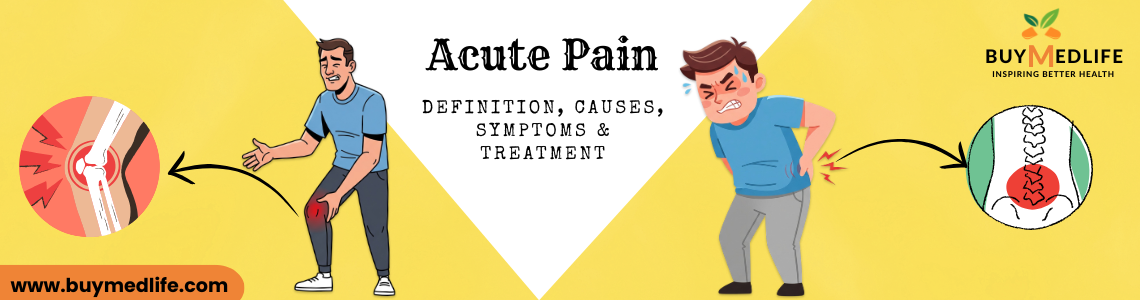
Suppose you walk on a rock when hiking and it is sharp. A stab of lightning through your foot. You pull back fast. That's acute pain in action. It hits quick and sharp. Such reaction protects you against harm. Acute pain serves as a wake up call to your body. It warns of damage right now.
In comparison to chronic pains that persist over months, acute pains are so quick to disappear when the problem is healed. It is directly related to a trauma or minor disability. In this manual, we will dissect the meaning of the acute pain. You will know its causes, signs and how to deal with it. Imagine that it is your guidebook to knowledge and decoding that sharp pain.
Defining Acute Pain: Physiology and Duration
What Exactly is Acute Pain?
According to doctors, acute pain is a temporary manifestation of pain. It takes between less than three to six months. This kind is connected directly to damage of tissue, such as a cut or sprain. It serves as a signal. Your body speaks, It means to leave it, it is hurting you.
This begins with nociceptors. These are skin and organ nerve endings. They detect heat, pressure or chemicals of injury. The signal gets along nerves to your spine and then brain. There, you feel the pain. This pathway is enhanced by chemicals such as the prostaglandins and substance P. They induce swelling and tenderness as well.
Sharp pains assist you in sleeping the sore part. It facilitates mending as you go out of harm. You can forget about real threats without it. But stay around long enough? That's a different story.
Differentiating Acute Versus Chronic Pain
Time marks the big split. Acute pain ceases shortly once the cause ceases. Past six months chronic pain drag. It may have an onset with injury but remain constant following a healing.
Acute pain protects you. It drives you to do, as does dragging your hand out of fire. Chronic pain loses that role. It is capable of altering brain wiring referred to as central sensitization. This hurts even light touch even more.
Mind effects differ too. Acute pain burns you in the short run. You feel alert. Chronic pain wears you down. It causes anxiety, loss of sleep and depression. Early detection of the switch is important to care.
Common Causes and Triggers of Acute Pain
Traumatic and Post-Surgical Causes
Mishaps are the cause of acute pain every day. The result of running is a pained ankle, and you can feel it throbbing along your leg. Fall fractures fracture bone and cause severe signals. Severe wounds open up the skin exposing nerves to air and germs.
Burns are another culprit. Electricity A hot stove is blistered in seconds. The pain signals are being shot up by the cells being destroyed by the heat. Such injuries require prompt intervention in order to contain them.
The pain is the highest immediately after surgery. Physicians excise tissue in order to repair. This interferes with nerves and ignites swelling. Expect it for days or weeks. Dental woes fit here too. An abscess of the tooth causes swelling and painful aching of the jaw. It must be treated speedily in order to heal the pus.
Millions face this yearly. More than 50 million emergency visits in the U.S are related to trauma pain. Awareness aids in the early intervention.
Acute Illness and Inflammatory Triggers
Illness may kindle internal agony. The beginning of appendicitis is a vague pains in your stomach. It gets acute with the increase in the infection. The edema causes nerve compression.
Each breath is a stab to the chest with pneumonia. Germs inflame lung tissue. This causes coughing to be painful. Other illnesses, such as earaches in children, throb with fever.
Kidney stones bring about back pain waves. They obstruct the passage of urine and dilate the organ. Sickle cell attacks cause red blood cells to be bent, block arteries and spasms. These need urgent care. Misery here is the warning of actual danger. Delay can worsen the illness.
Most of these are fuelled by inflammation. White blood cells rush in. They produce chemicals which sensitize nerves. Early diagnosis eliminates the agony.
Recognizing the Signs and Symptoms
Subjective Experience and Behavioral Indicators
Acute pain could be said to be sharp or stabbing. And aches like a heartbeat there. It is like fire on flesh to burn. On a 0-10 scale, mild hits 1-3. Severe tops of 7 or more.
Words help describe it. Someone says when it slams down my arm. There is a movement variation in intensity. Rest eases it some.
Watch for clues if words fail. People guard the sore area. They wince or groan. Limping shows leg pain. Children cry and file their toys.
Check faces in case of babies or incompetent people. Furrowed brows mean hurt. Fast breaths signal bad pain. Caregivers, rate it based on their responding to touch. This guides first aid right.
Associated Autonomic Responses (The Fight-or-Flight Reaction)
Suffering puts your body into action. The heart has to pump blood at a great rate. Blood pressure climbs. You sweat to cool off.
Pupils dilate so that they see better. This is a pre preparation that assists you to evade danger. In bad cases, you feel queasy. Vomit could be accompanied by gut pains, such as those caused by stones.
These indicators are equal to pain intensity. A paper cut causes a small degree of sweat. One of those pours in you with a broken bone. Deep pain, which is located in the organs is usually associated with nausea. It warns of hidden issues.
Spot these early. They indicate when they should seek assistance. Your body lies no more about the danger.
Effective Treatment and Management Strategies
Pharmacological Interventions (Medication)
Begin with the non-pharmacological management of mild acute pain. Ibuprofen reduces the swelling and blocks pain chemistry. It is effective on sprains or headaches. Eat it with food so that your stomach will not be spared.
Acetaminophen relieves pains without interfering with inflammation. Good for fevers too. Doses- too many are bad on your liver.
Doctors administer opioids on strong hits such as following a crash. Severe pain is easily numb with morphine or oxycodone. Use them short. Look out in case of drowsiness or slow breathing. They heal assisting by making you take a rest.
Add-ons target extras. Back pulls are spasmed with muscle relaxers. Gut pain ulcers are soothed by antacids. Pick what fits the cause.
Non-Pharmacological and Interventional Approaches
Try R.I.C.E. in the case of body injuries. Rest the limb to avoid strain. Ice packs daze the area and reduce swelling -20 minutes on, off. Tie it tight but not tight in order to squeeze. Leopard stand up on heart to dehydrate.
Heat comes later. Loosening of rigid muscles by the use of warm packs occurs after two days. Switch based on need. Fresh hurt Cold, continuous tension Heat.
Nerve blocks prevent chills in the clinics. One of the shots along this line pours it full of a numbing drug. It offers a quick remedy to sick cases, such as post-operative.
Inhalation to relieve mind and body. Move gently when you can. These steps speed recovery. Combine them with medication to achieve maximum results.
Research indicates that combo care is the best. A single review discovered that R.I.C.E. reduced the amount of pain in ankle twists by 30%. Act soon to heal faster.
Conclusion: Moving Beyond the Immediate Threat
Severe pain protects the organism. It scalds on cuts, sickness or surgery. Symptoms such as throbs and sweat require consideration. Use drugs, sleep and clever things.
Don't ignore it. Timely solution prevents more serious problems. In case pain persists beyond the anticipated duration, visit a physician. It may be an indication of a long term change or latent issue.
Healing is enhanced by good management. You get back to life sooner. The well-being count on comfort. The following time the pain comes, apply this expertise. Get an attorney who will handle your case, relief is on the way.
Leave a Comment